Threat Modelling
Structured process of identifying and mitigating threats & vulnerabilities at Design Phase
Frameworks for Threat Modelling
1. STRIDE (by microsoft)
It categorizes threats into six areas:
1. Spoofing: Pretending to be someone else—e.g., faking user identity
2. Tampering: Modifying data on a disk or in transit
3. Repudiation: Claiming you didn’t perform an action
because there are no logs
4. Information Disclosure: Exposing data to unauthorized users
5. Denial of Service: Crashing or flooding the system to block valid
users
6. Elevation of Privilege: An unprivileged user gaining admin rights
Threat Modeling Process
Step-1: Data Flow Diagram (DFD)
1. Create a Data Flow Diagram (DFD) Using OWASP Threat Dragon
(Free modeling tool)

|
5 Elements in OWASP a. Process: Application b. Data Stores: Databases, files and logs c. External Entity (Actor): Objects outside the system that the system communicates with d. Data Flow: Flow of information e. Trust Boundary: A logical or physical line separating different zones of privilege, trust levels, or security contexts |
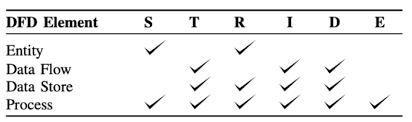
2. Threat Model every Element: Once DFD is complete, mark each element again STRIDE.